
The Dens → Arrow of Light
ARROW OF LIGHT
Ready for the next adventure
Fifth grade
Arrow of Light is the final and highest rank in Cub Scouting. It is a fifth-grade program designed to prepare Scouts for the increased adventure, independence, leadership, and patrol experience of Scouts BSA.
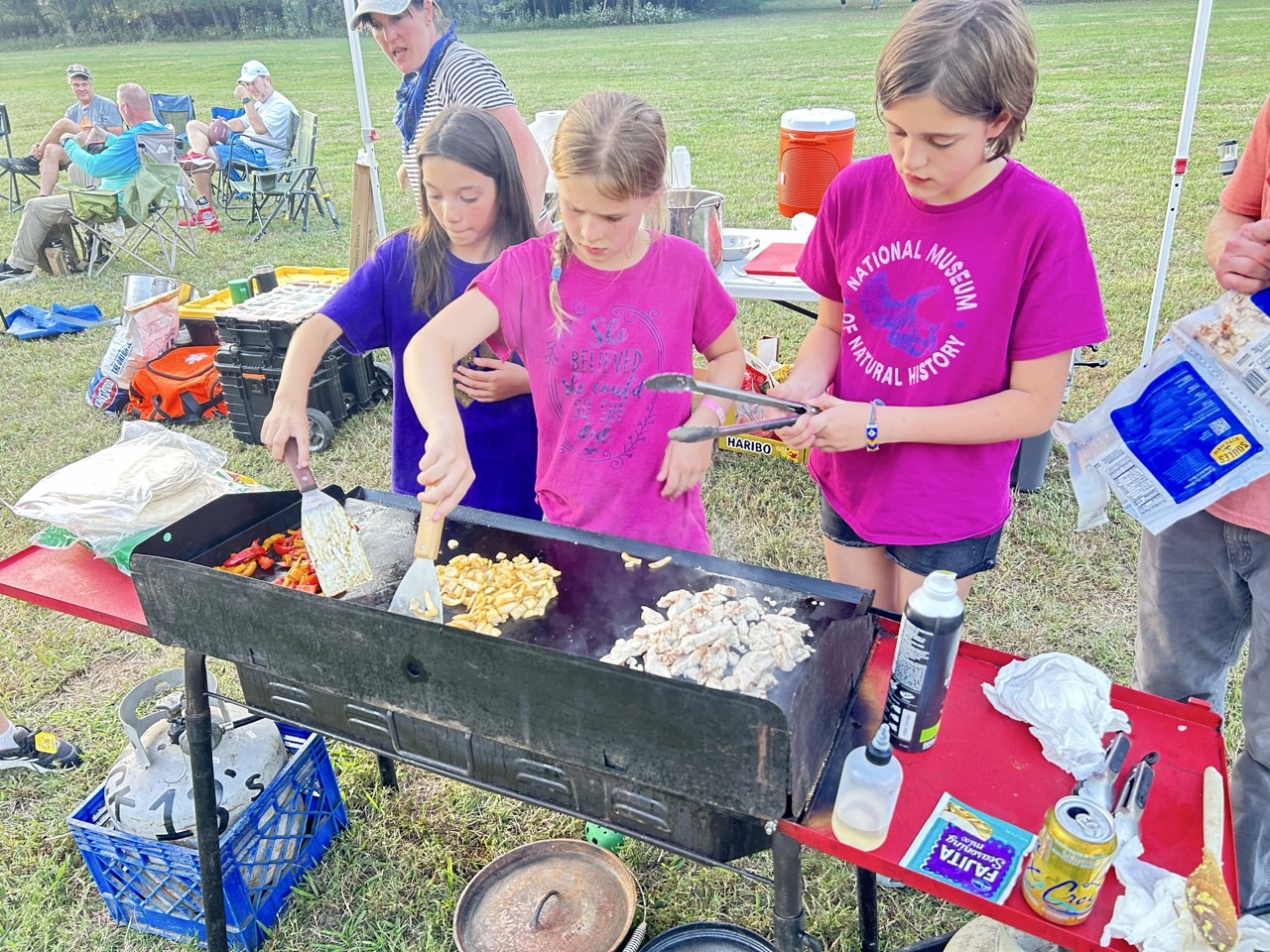
Arrow of Light is not simply another year of Webelos. It is now a distinct rank with its own required and elective Adventures. Scouts learn the patrol method, visit a Scouts BSA troop, camp as a patrol or with a troop, practice meaningful first aid, complete service, and begin using Scouts BSA traditions.
AT A GLANCE
Grade: Fifth grade
Recognition: Arrow of Light rank badge and arrowhead-shaped adventure pins
Advancement: Six required Adventures and at least two electives
Program emphasis: Patrol leadership, camping, first aid, fitness, citizenship, service, and transition to Scouts BSA
The Arrow of Light badge is a lasting symbol of completing the Cub Scout trail and may continue to be worn on the Scouts BSA uniform.
REQUIRED ARROW OF LIGHT ADVENTURES
Character and patrol leadership
Bobcat
Arrow of Light Scouts learn and use the patrol method. They choose a patrol name, select a patrol leader, create a patrol identity, develop a code of conduct, and get to know one another as a working team.
They also learn the Scouts BSA sign, salute, handshake, motto, and slogan and visit a Scouts BSA troop. The troop visit is a required part of the Arrow of Light Bobcat Adventure and should happen early enough to help families explore their options.
Camping and outdoor responsibility
Outdoor Adventurer
Arrow of Light Scouts prepare for an overnight campout, decide what personal gear they need and how to carry it, review the BSA SAFE Checklist, locate the campsite on a map, and camp with their patrol or a Scouts BSA troop.
At camp, Scouts help determine the campsite layout, set up shared patrol equipment, maintain a sanitary cooking area, care for food properly, and evaluate the experience afterward.
This Adventure is a significant step toward the camping methods used in Scouts BSA.
Personal responsibility and wellness
Personal Fitness
Arrow of Light Scouts plan and prepare a balanced camping meal, participate in group and individual exercise, practice relaxation, and discuss their readiness for activities using their annual health record.
The Adventure introduces the idea of setting goals, tracking progress, and taking greater responsibility for personal wellness.
Government, service, and civic responsibility
Citizenship
Arrow of Light Scouts explore voting, elected leadership, laws, the branches of government, flag etiquette, and community service.
They also complete at least two hours of service, either in one project or through multiple projects totaling two hours. The emphasis is on understanding how citizens influence their communities and why service matters.
Emergency response
First Aid
First Aid is one of the most substantial required Adventures in Cub Scouting. Scouts learn how to respond when someone needs help and demonstrate first aid for urgent conditions and common injuries.
Topics include serious bleeding, stopped breathing, choking, shock, burns, bites, stings, cuts, nosebleeds, poisoning, stroke, and sudden cardiac emergencies. Scouts also assemble a personal first-aid kit and explain how its contents are used.
The purpose is not to turn fifth graders into medical professionals. It is to teach them to recognize an emergency, summon appropriate help, protect themselves, and provide age-appropriate assistance.
Family and reverence
Duty to God
Arrow of Light Scouts explore how their family understands duty, faith, gratitude, service, and reverence. Families guide the content according to their own beliefs and may choose an approved religious emblem program where appropriate.
The Adventure encourages Scouts to connect personal values with the way they live, serve, and treat other people.
ARROW OF LIGHT ELECTIVE ADVENTURES
Arrow of Light electives reinforce outdoor readiness and practical skills:
- Fishing — Complete a culminating Cub Scout fishing experience.
- Race Time — Apply design, preparation, and sportsmanship.
- Cycling — Practice more advanced bicycle preparation and riding skills.
- Swimming — Improve aquatic ability and safety.
- Champions for Nature — Study an environmental concern and take conservation action.
- Engineer — Use engineering design to solve a problem.
- Estimations — Practice judging distance, height, time, and quantity.
- High Tech Camping — Explore appropriate uses of technology outdoors.
- Into the Wild — Investigate wildlife and ecosystems.
- Into the Woods — Learn about trees, forests, and plant life.
- Paddle Craft — Participate in approved paddle-sports activities.
- Knife Safety — Learn safe, responsible knife handling at the Arrow of Light level.
- Summertime Fun — Remain active through summer Scout experiences.
The required Outdoor Adventurer Adventure also appears in the outdoor portion of the Arrow of Light program; it is not counted as one of the two electives because it is already required.
WHAT AN ARROW OF LIGHT MEETING FEELS LIKE
The patrol should increasingly function as a team. Scouts may lead openings, make group decisions, rotate leadership, organize equipment, plan menus, communicate with a troop, and evaluate their own performance.
Adults remain responsible for safety and program supervision, but they deliberately create room for youth leadership.
A strong Arrow of Light leader often responds to a question with another question:
- “What does your patrol think?”
- “Who is responsible for that?”
- “What does your plan say?”
- “What would make the activity safer?”
- “What should you do differently next time?”
VISITING AND CHOOSING A SCOUTS BSA TROOP
A troop visit is required for Arrow of Light Bobcat, but choosing a troop is a family decision.
Scouts may consider:
- Whether they feel welcomed by the youth.
- How often the troop camps.
- What kinds of trips and activities it offers.
- How youth leadership works.
- Meeting schedule and location.
- Expectations for attendance and advancement.
- The atmosphere among Scouts and adults.
- Whether friends plan to join.
- Whether the program feels like a good fit for the individual Scout.
The best troop is not necessarily the closest or largest. It is the troop in which the Scout is most likely to participate, grow, and remain excited about Scouting.
THE CROSSOVER EXPERIENCE
Near the end of the Arrow of Light year, many packs hold a crossover or bridging ceremony. The ceremony celebrates the completion of Cub Scouting and welcomes Scouts who have chosen to continue into a Scouts BSA troop.
Crossover is not simply a graduation from childhood. It is the beginning of a new style of Scouting in which youth leadership, patrols, camping, advancement, and personal responsibility take on much larger roles.
WHAT PARENTS SHOULD EXPECT
The transition into Scouts BSA also changes the parent role.
During the Arrow of Light year, families can prepare by:
- Letting Scouts communicate with leaders themselves when appropriate.
- Encouraging them to manage uniforms, handbooks, and equipment.
- Allowing patrol leaders to lead.
- Visiting more than one troop when possible.
- Asking Scouts what they noticed and valued during troop visits.
- Supporting the Scout’s choice rather than selecting entirely on the adult’s behalf.
- Understanding that Scouts BSA is designed to become increasingly youth-led.
Parents remain essential, but successful Scouting gradually moves responsibility toward the young person.
BY THE END OF THE ARROW OF LIGHT YEAR
Arrow of Light Scouts should be better prepared to:
- Work within a patrol.
- Follow and support a youth patrol leader.
- Plan and pack for camping.
- Set up and maintain a campsite.
- Respond appropriately to common first-aid situations.
- Participate in civic service.
- Care for their own gear.
- Make informed decisions about joining a troop.
- Enter Scouts BSA with confidence and excitement.
THE TRAIL CONTINUES
Earning the Arrow of Light is a major accomplishment, but it is not the end of the adventure. The skills learned in Cub Scouting become the foundation for backpacking, canoeing, climbing, leadership, service, merit badges, summer camp, high-adventure programs, and the trail toward Eagle Scout.
The Arrow of Light points forward. Where it leads is up to the Scout.