
The Dens → Bears
BEAR SCOUTS
Build skills. Solve problems. Take action.
Third grade
Bear Scouts are ready for projects with more steps, outdoor experiences with more responsibility, and service that produces visible results. Third graders begin using real tools under appropriate supervision, planning portions of activities, practicing practical safety, and investigating how their communities work.
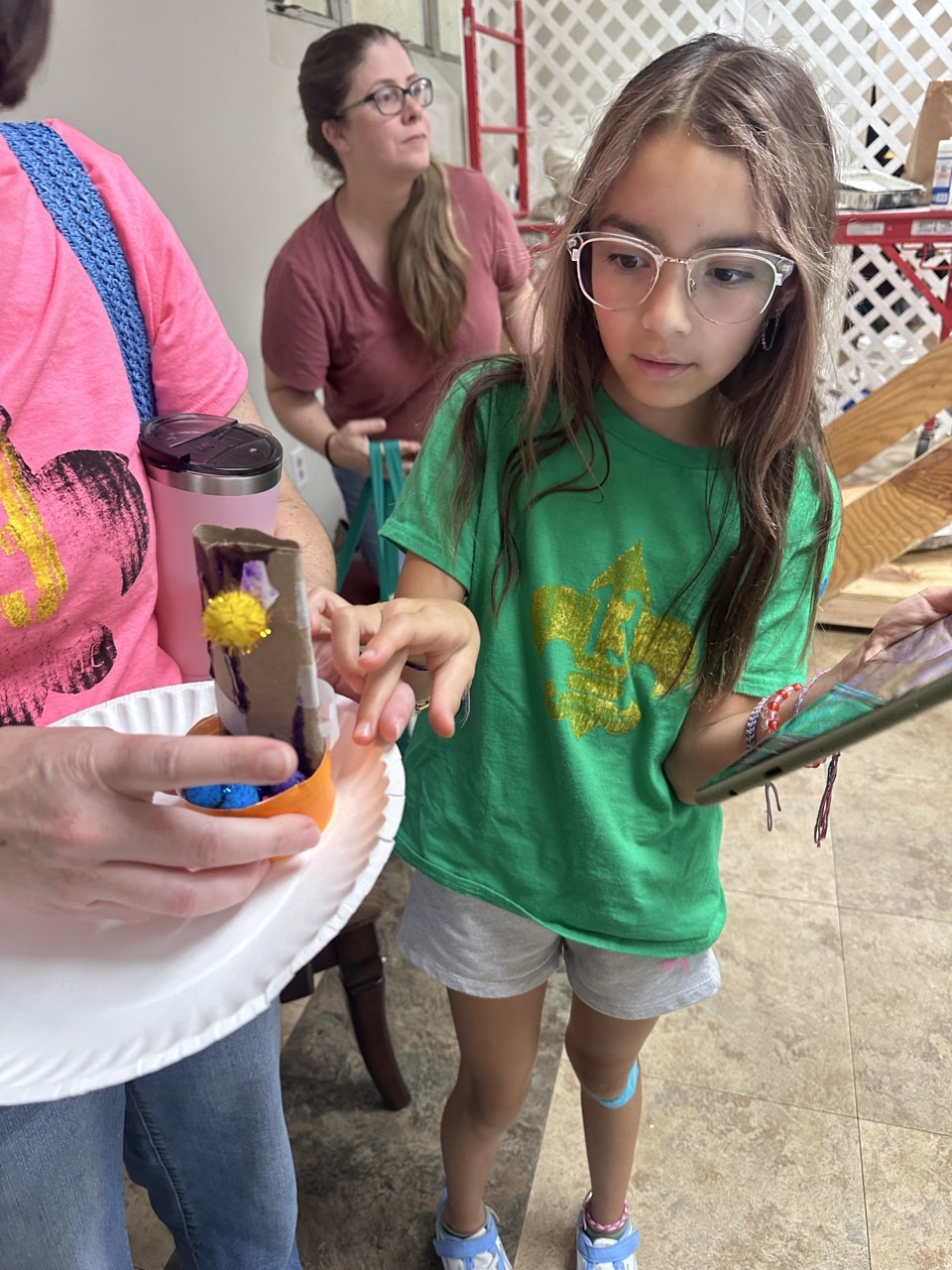
The Bear year is often when Cub Scouts begin to recognize that they are not merely participating in activities—they are developing useful skills.
AT A GLANCE
Grade: Third grade
Recognition: Bear rank badge and adventure loops
Advancement: Six required Adventures and at least two electives
REQUIRED BEAR ADVENTURES
Character and leadership
Bobcat
Bears recite the Scout Oath and Scout Law, identify the main points of the Scout Oath, create a den code of conduct, learn about the denner youth-leadership position, and explain why doing their best matters.
Bear Scouts begin seeing leadership as service and responsibility rather than simply being the person in charge.
The outdoors
Bear Habitat
Bears prepare for a one-mile walk using the Cub Scout Six Essentials, check the route, learn about trail conditions, make a plan for trash, observe wildlife, and practice Leave No Trace.
Compared with earlier ranks, the Bear Adventure includes more preparation and personal responsibility. Scouts learn that a successful outing begins before anyone reaches the trail.
Personal fitness
Bear Strong
Bears sample foods from different food groups, participate in active exercise, perform personal fitness activities, practice relaxation, and review their readiness for pack activities with a parent or guardian.
The Adventure encourages Scouts to notice their own progress instead of comparing themselves with everyone else.
Citizenship
Paws for Action
Bears investigate voting, symbols of the United States, nonprofit organizations, community leadership, and service.
Activities may include speaking with an elected person, learning how community decisions are made, and participating in a service project. Citizenship becomes something Scouts can practice, not merely a subject they study.
Personal safety
Standing Tall
Bears complete age-appropriate personal-safety activities, identify and properly store household hazards, discuss ways to keep meeting places safe, and prepare for natural events that are likely in their area.
The result is greater awareness without unnecessary fear. Scouts learn to notice hazards, communicate concerns, and prepare before an emergency occurs.
Family and reverence
Fellowship
Bears examine how their family practices reverence, expresses gratitude, serves others, or marks meaningful traditions. The Adventure respects the beliefs and customs of each individual family.
It also encourages Scouts to see reverence in the way people treat others and care for the world around them.
BEAR ELECTIVE ADVENTURES
The Bear year offers some of the most memorable hands-on electives in Cub Scouting:
- A Bear Goes Fishing — Prepare fishing equipment and enjoy time fishing.
- Let’s Camp — Participate in an approved Cub Scout camping experience.
- Bears on Bikes — Develop bicycle handling, maintenance, and safety skills.
- Salmon Run — Practice swimming and water safety.
- Balancing Bears — Experiment with balance, motion, and coordination.
- Baloo the Builder — Plan and construct a woodworking project.
- Critter Care — Learn about the needs and responsibilities of caring for animals.
- Forensics — Explore fingerprints, observation, evidence, and investigation.
- Marble Madness — Play marble games and design marble challenges.
- Roaring Laughter — Practice jokes, storytelling, and appropriate humor.
- Super Science — Conduct experiments and investigate scientific principles.
- Top Chef — Practice food preparation and kitchen responsibility.
- Bears Afloat — Develop paddling skills under approved aquatic supervision.
- Whittling — Learn age-appropriate knife safety and carving skills.
Knife, paddling, swimming, and shooting-sports activities must follow Scouting America’s supervision, location, and safety rules.
WHAT A BEAR MEETING FEELS LIKE
Bear meetings often involve a project or challenge with several stages:
- Plan it.
- Gather the materials.
- Learn the safety rules.
- Do the work.
- Evaluate the result.
- Clean up.
Not every project will look perfect. That is part of the value. Bears learn to measure, adjust, retry, cooperate, and finish.
WHAT PARENTS SHOULD EXPECT
Bear Scouts are capable of more independence, but they still need adults to provide structure and safe boundaries.
Parents can help by:
- Giving Scouts time to complete their own work.
- Reinforcing tool and kitchen safety.
- Helping obtain materials without taking over the project.
- Supporting service activities and outings.
- Encouraging the Scout to finish what they begin.
- Treating mistakes as part of learning.
Some Bear Adventures involve equipment, travel, or activities that cannot be completed during an ordinary meeting. Good communication and family participation make those experiences possible.
BY THE END OF THE BEAR YEAR
Bears may have:
- Planned and completed a multi-step project.
- Used age-appropriate tools safely.
- Practiced emergency preparation.
- Learned more about voting and community organizations.
- Participated in meaningful service.
- Prepared for longer outdoor activities.
- Developed greater patience and persistence.
- Discovered a hobby they want to continue.
The Bear year is where “I tried it” begins to become “I know how.”